April 17, 2026
Energy efficiency is a major concern for homeowners and business owners alike, especially as energy costs continue to fluctuate and environmental awareness grows. Heating and cooling systems play a central role in maintaining indoor comfort, but they also account for a significant portion of energy usage in any property. Without proper care, these systems can become inefficient, leading to higher utility bills, reduced performance, and unnecessary wear and tear.
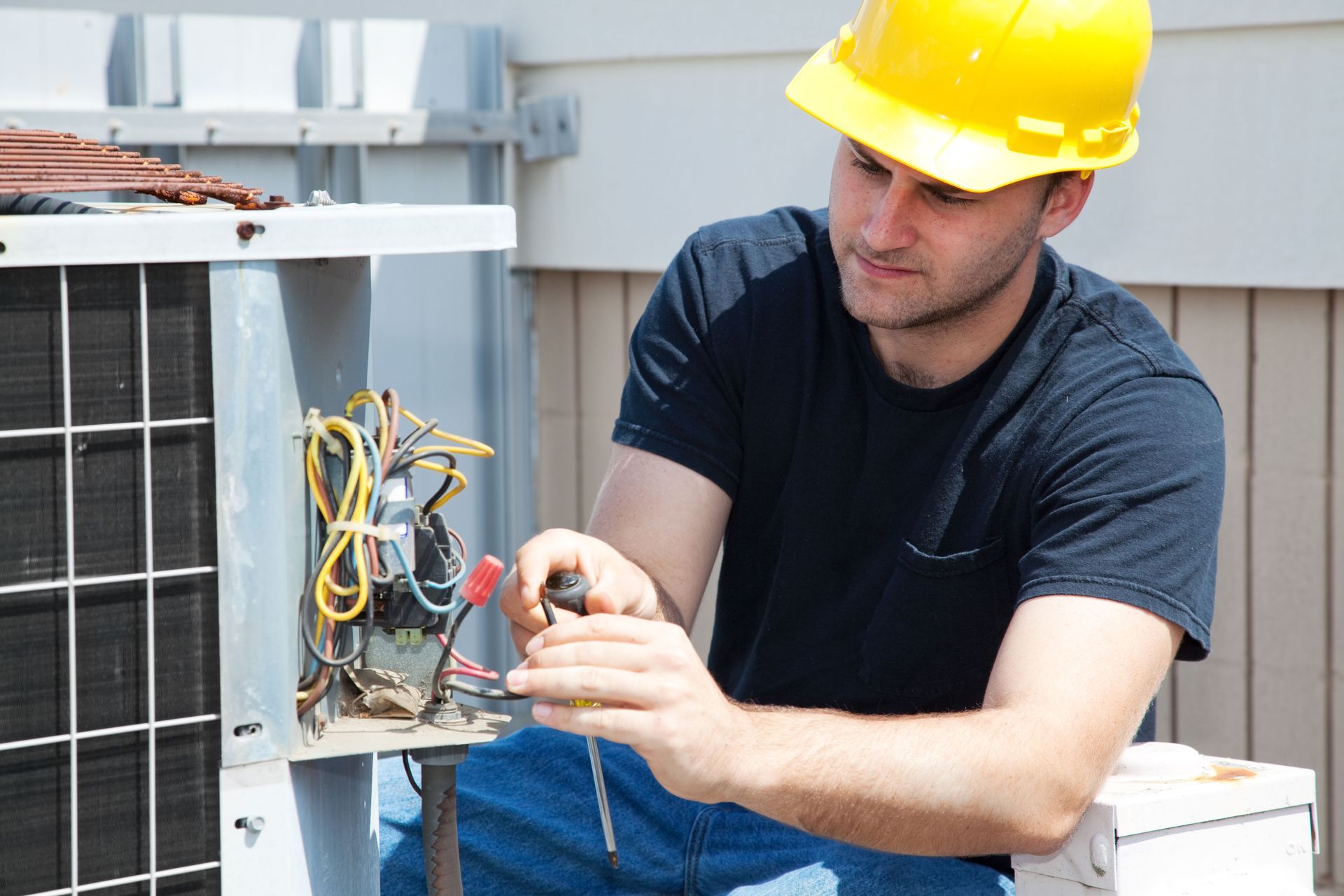
This is where an HVAC contractor becomes essential. With professional expertise, advanced tools, and a deep understanding of heating and cooling systems, an HVAC contractor ensures that your equipment operates at peak efficiency. From installation and maintenance to repairs and system optimization, their work directly impacts how much energy your system consumes and how effectively it performs. By investing in professional HVAC services, property owners can enjoy a more comfortable environment while minimizing energy waste and long-term costs.
Improving System Performance
An HVAC contractor plays a key role in improving the overall performance of heating and cooling systems. Over time, components within these systems can wear down, accumulate debris, or become misaligned. These issues may seem minor at first, but can significantly reduce efficiency if left unaddressed. When a system struggles to perform, it often uses more energy to achieve the same level of comfort.
Professional contractors conduct thorough inspections to identify inefficiencies and restore optimal performance. They clean internal components, adjust airflow, and ensure that all parts are functioning as intended. This attention to detail helps eliminate unnecessary strain on the system, allowing it to operate smoothly and efficiently.
In addition, an HVAC contractor can fine-tune system settings to match the specific needs of a property. Every building has unique heating and cooling requirements based on factors such as size, layout, and insulation. By tailoring the system to these conditions, contractors ensure that energy is used effectively rather than wasted. This results in consistent indoor temperatures and improved comfort throughout the space.
Preventing Energy Loss
Energy loss is one of the most common reasons for inefficiency in HVAC systems. Leaks in ductwork, poor insulation, and improper sealing can all allow conditioned air to escape before it reaches its intended destination. As a result, the system must work harder to maintain the desired temperature, leading to increased energy consumption.
An HVAC contractor is trained to identify and address these sources of energy loss. By inspecting duct systems and sealing any leaks, they help ensure that air is distributed efficiently throughout the property. Proper insulation also plays a crucial role in maintaining energy efficiency, and contractors can recommend improvements that prevent heat transfer and maintain indoor comfort.
Another important aspect of preventing energy loss is ensuring proper system calibration. When a system is not correctly calibrated, it may cycle on and off more frequently than necessary or run longer than needed. This not only wastes energy but also accelerates wear on system components. A professional HVAC contractor can adjust these settings to ensure optimal performance and efficiency.
Enhancing Indoor Air Quality
Energy efficiency is closely linked to indoor air quality. When an HVAC system is clean and well-maintained, it can effectively filter out dust, allergens, and other airborne contaminants. However, a neglected system can become a source of poor air quality, which may impact both comfort and health.
An HVAC contractor ensures that filters, coils, and other components are clean and functioning properly. Clean systems require less energy to operate because airflow is not restricted by buildup or debris. This means that improving air quality also contributes to better energy efficiency.
In addition to cleaning and maintenance, contractors can recommend advanced air filtration systems that enhance both comfort and efficiency. These systems work alongside existing HVAC equipment to remove pollutants while maintaining proper airflow. By integrating these solutions, an HVAC contractor helps create a healthier indoor environment without compromising energy performance.
Extending Equipment Lifespan
One of the most significant benefits of working with an HVAC contractor is the ability to extend the lifespan of heating and cooling equipment. Systems that are regularly maintained and properly cared for tend to last longer and perform more efficiently over time. This reduces the need for frequent replacements and helps property owners get the most value from their investment.
Routine maintenance provided by an HVAC contractor includes inspecting components, lubricating moving parts, and addressing minor issues before they escalate. These proactive measures prevent unnecessary strain on the system and ensure that it operates efficiently throughout its lifespan.
According to the U.S. Bureau of Labor Statistics, employment opportunities for HVAC professionals are expected to grow by 8% over the decade from 2024 to 2034, reflecting the increasing demand for skilled expertise in maintaining efficient and reliable systems. This growing demand highlights the importance of professional services in preserving both performance and energy efficiency.
By relying on a qualified HVAC contractor, property owners can avoid premature system failures and ensure that their equipment continues to operate effectively for years to come.
Optimizing System Installation
Proper installation is a critical factor in determining the energy efficiency of an HVAC system. Even the most advanced equipment can perform poorly if it is not installed correctly. Incorrect sizing, improper placement, and faulty connections can all lead to inefficiencies that impact both comfort and energy usage.
An experienced HVAC contractor ensures that systems are installed according to industry standards and tailored to the specific needs of the property. This includes selecting the appropriate equipment size and configuration to match the building’s requirements. Oversized or undersized systems can lead to uneven temperatures and increased energy consumption, making proper installation essential.
In addition to sizing and placement, contractors also ensure that all components are connected and calibrated correctly. This attention to detail helps prevent issues such as air leaks, poor airflow, and inconsistent performance. By starting with a properly installed system, property owners can enjoy improved efficiency and long-term reliability.
Furthermore, an HVAC contractor can provide guidance on selecting energy-efficient equipment. With advancements in technology, modern systems offer a range of features designed to reduce energy consumption while maintaining comfort. A professional contractor can help navigate these options and recommend solutions that align with both efficiency goals and budget considerations.
Supporting Smart Energy Management
Advancements in technology have transformed the way HVAC systems are managed, and an HVAC contractor plays a vital role in integrating these innovations. Smart thermostats, zoning systems, and automated controls allow property owners to optimize energy usage based on their specific needs and preferences.
An HVAC contractor can install and configure these systems to ensure seamless operation. Smart thermostats, for example, can learn usage patterns and adjust temperatures accordingly, reducing energy consumption without sacrificing comfort. Zoning systems allow different areas of a property to be heated or cooled independently, preventing unnecessary energy use in unoccupied spaces.
In addition to installation, contractors provide guidance on how to use these technologies effectively. Understanding how to program and manage these systems is essential for maximizing their benefits. With professional support, property owners can take full advantage of these innovations and achieve greater control over their energy usage.
By combining advanced technology with professional expertise, an HVAC contractor helps create a more efficient and responsive heating and cooling system. This not only reduces energy waste but also enhances overall comfort and convenience.
Maintaining energy efficiency in a property requires more than just a functional heating and cooling system. It demands ongoing care, professional expertise, and a commitment to optimizing performance at every stage. An HVAC contractor provides the knowledge and services needed to achieve these goals, from improving system performance and preventing energy loss to enhancing air quality and integrating modern technology.
By investing in professional HVAC services, property owners can reduce energy consumption, lower utility costs, and create a more comfortable indoor environment. The long-term benefits of working with a qualified contractor extend beyond immediate savings, offering lasting value and peace of mind.
When it comes to maintaining energy efficiency and ensuring your system operates at its best, we’re here to help. At Dial Heating & Air, we take pride in delivering reliable, professional HVAC services tailored to your needs. Let us help you create a more comfortable and energy-efficient space with solutions you can trust.